
Get Arborvitae Pruning in Multnomah County, OR
Arborvitae pruning services for property owners in Multnomah County, OR, address overgrown or damaged trees, improve shape and health, and prepare landscapes for maintenance or safety.
Arborvitae pruning services are often sought after by property owners in Multnomah County to maintain healthy, attractive landscapes. Proper pruning helps shape the trees, ensuring they grow in a desirable form while preventing overgrowth that could obstruct views or interfere with structures. Regular trimming also promotes better airflow and light penetration, which can contribute to the overall health and longevity of the arborvitae, reducing the risk of disease and damage over time.
In addition to health benefits, pruning enhances safety and functionality on residential and commercial properties. Well-maintained arborvitae can serve as effective privacy screens or windbreaks, adding to the comfort of outdoor spaces. Properly pruned trees are less likely to develop weak branches or become hazardous during storms, and they often require less ongoing maintenance. Improving curb appeal through professional pruning can also increase the overall value and visual appeal of a property.
- Evergreen Tree Pruning - needed when arborvitae become overgrown or lose their shape in residential or commercial landscapes.
- Seasonal Trimming - recommended during specific times of the year to maintain health and appearance of arborvitae.
- Health and Safety Pruning - necessary to remove dead or diseased branches that could pose risks or affect tree vitality.
- Thinning and Shaping - performed to improve airflow and aesthetics, especially in densely planted areas near Portland or Salem.
- Storm Damage Pruning - required after severe weather events to address broken or damaged branches on arborvitae.
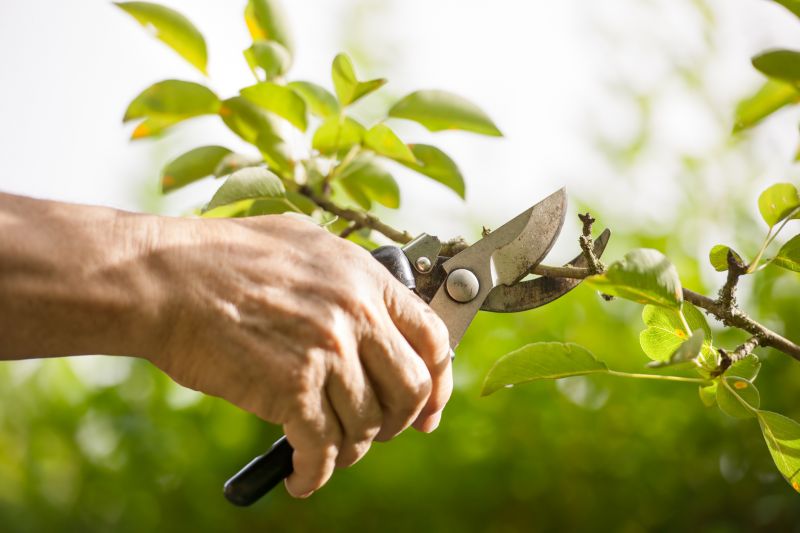
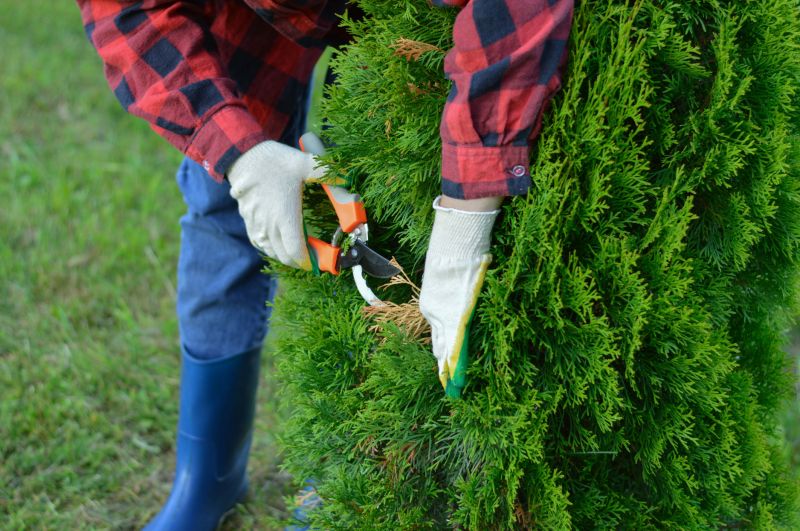
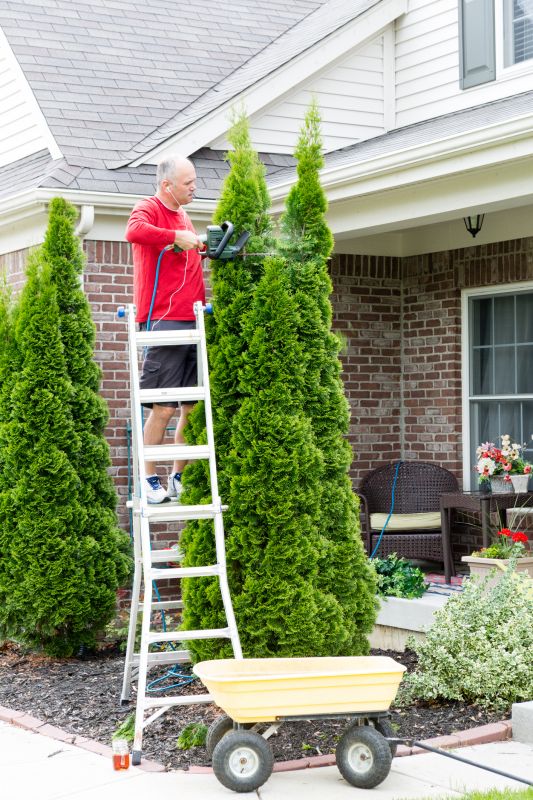
Arborvitae pruning services involve the careful trimming and shaping of arborvitae trees to promote healthy growth and maintain an attractive appearance. Professionals typically assess the tree’s current condition, identifying any dead, damaged, or overgrown branches that may hinder its health or aesthetic appeal. The pruning process can include thinning out dense foliage, reducing height or width, and shaping the tree to fit the landscape design. Proper pruning techniques help ensure the arborvitae remains vigorous and visually appealing, contributing to the overall landscape's balance and symmetry.
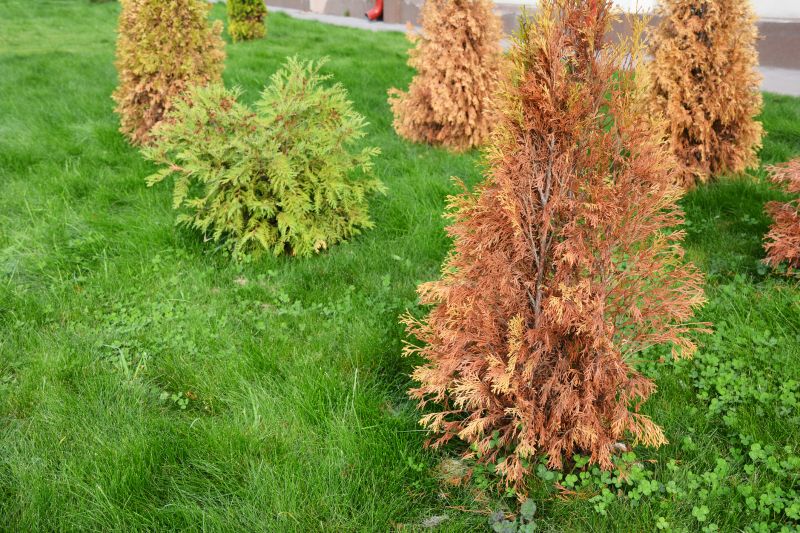
One of the primary benefits of arborvitae pruning is addressing common problems such as overgrowth, disease, or pest infestations. Overgrown branches can lead to poor air circulation, increasing the risk of fungal infections or pest problems. Dead or diseased branches, if left untrimmed, may spread to healthy parts of the tree, jeopardizing its vitality. Regular pruning can help mitigate these issues by removing compromised material, thereby supporting the tree’s health and longevity. Additionally, pruning can prevent the tree from becoming too dense, which can hinder sunlight penetration and air movement within the canopy.
The service is often sought by residential property owners, commercial landscapes, and public parks that feature arborvitae as part of their greenery. These trees are popular in privacy screens, hedges, and decorative borders, making them a common feature in suburban neighborhoods and commercial complexes. Property owners interested in maintaining a tidy, well-manicured appearance frequently utilize pruning services to keep their arborvitae shaped and healthy. In public settings, professional pruning helps ensure the trees contribute positively to the visual appeal and safety of the outdoor environment.
Qualified local service providers typically tailor arborvitae pruning to the specific needs of each property and tree. They consider factors such as the tree’s age, size, and location, as well as the desired aesthetic outcome. Proper pruning not only enhances the tree’s appearance but also supports its structural integrity and overall health. Engaging experienced professionals can help property owners maintain their arborvitae in optimal condition, ensuring the trees remain a valuable and attractive feature of the landscape for years to come.
The overview below groups typical Arborvitae Pruning projects into broad ranges so you can see how smaller, mid-sized, and larger jobs often compare in Multnomah County, OR.
In many markets, a large share of routine jobs stays in the lower and middle ranges, while only a smaller percentage of projects moves into the highest bands when the work is more complex or site conditions are harder than average.
Average Cost Range - Arborvitae pruning services typically cost between $100 and $300 for standard-sized trees. Larger or more complex jobs may range up to $500 or more, depending on the scope of work.
Per Tree Pricing - Many service providers charge between $75 and $200 per arborvitae, with prices varying based on the tree's height and density. Additional charges may apply for multiple trees or extensive trimming.
Hourly Rates - Pruning services often bill between $50 and $100 per hour, with total costs depending on the number of trees and the amount of work required. Some providers may offer flat-rate pricing for specific projects.
Factors Affecting Cost - Costs can vary based on the size, location, and condition of the arborvitae. Extra services such as debris removal or shaping may increase the overall price within the typical range.
Actual totals will depend on details like access to the work area, the scope of the project, and the materials selected, so use these as general starting points rather than exact figures.
Arborvitae Pruning - Local arborists offer pruning services to help maintain the shape and health of arborvitae hedges and trees. Proper pruning can promote growth and improve overall appearance.
Hedge Trimming - Professionals provide trimming services to keep arborvitae hedges neat and well-shaped, enhancing curb appeal and property value. Regular trimming prevents overgrowth and maintains desired sizes.
Tree Shaping - Tree shaping specialists can sculpt arborvitae to achieve specific aesthetic designs or functional forms. This service supports landscape design and personalized garden features.
Thinning and Crown Reduction - Experts perform thinning and crown reduction to reduce weight and improve light penetration within arborvitae canopies. These techniques help prevent damage and promote healthy growth.
Storm Damage Pruning - Service providers can remove broken or damaged branches from arborvitae caused by storms or harsh weather. This helps prevent further harm and maintains safety around the property.
Maintenance Pruning - Regular maintenance pruning services are available to sustain the health and appearance of arborvitae over time. Proper pruning supports long-term vitality and aesthetic appeal.
When evaluating arborvitae pruning services, it’s important to consider the experience of local professionals. Experienced contractors typically have a history of working with similar evergreen species, allowing them to understand the specific needs and growth patterns of arborvitae. Homeowners can inquire about the duration of a contractor’s experience in the industry and their familiarity with pruning techniques that promote healthy growth and aesthetic appeal. A contractor’s track record can often be assessed through reputable references or portfolios of past work, helping to ensure that the chosen professional has a history of reliable and quality service.
Clear communication and written expectations are essential when engaging with local arborvitae pruning providers. Homeowners should seek professionals who provide detailed service descriptions, including the scope of work, pruning methods, and any necessary follow-up care. Establishing transparent expectations helps prevent misunderstandings and ensures that the work aligns with the homeowner’s preferences. Additionally, professionals who communicate effectively and are responsive to inquiries tend to foster a smoother working relationship, making it easier to address questions or adjustments throughout the project.
Reputation and references are key factors in selecting a trustworthy local arborvitae pruning service. Homeowners can ask for recommendations from neighbors or review online directories for feedback on various providers. Reputable contractors often have a history of satisfied clients and positive references that can be verified. It’s also beneficial to consider how well a professional communicates and whether they demonstrate professionalism and reliability during initial interactions. By comparing these aspects, homeowners can identify local pros who are well-regarded and capable of delivering quality arborvitae pruning services tailored to their landscape needs.
Property owners in Multnomah County, OR use Arborvitae Pruning services for practical projects around their homes and businesses. The sections below highlight everyday jobs and straightforward project options.
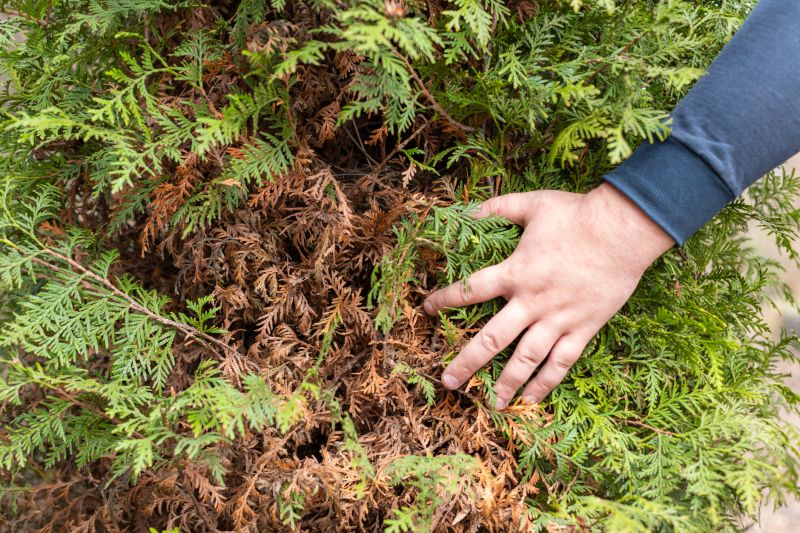
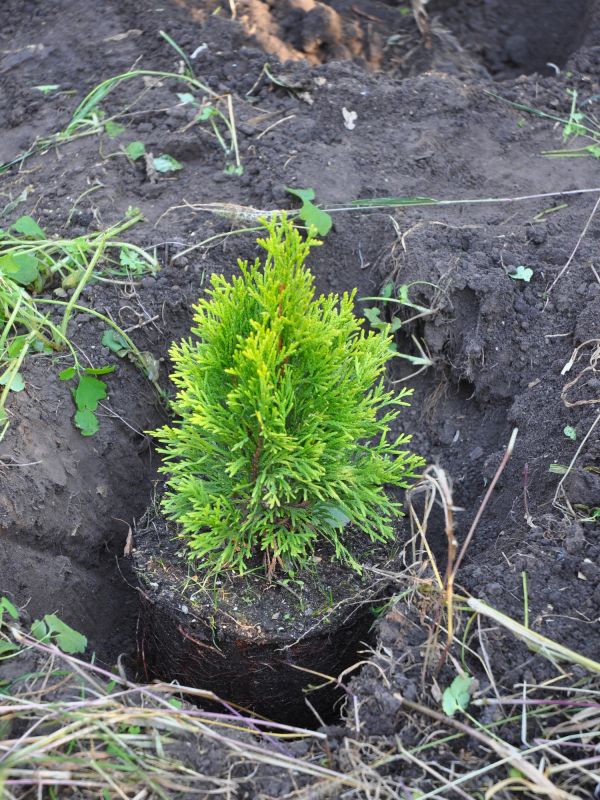
Arborvitae pruning services are often sought by property owners in Multnomah County to maintain the health and appearance of their evergreen hedges and screens. Regular trimming can help control the shape and size of these trees, ensuring they complement the overall landscape design. Additionally, pruning can remove dead or diseased branches, which can promote healthier growth and prevent potential issues that might affect the tree’s longevity.
Property owners may also look for arborvitae pruning to improve safety around their property. Overgrown branches can pose risks by obstructing pathways, driveways, or visibility for drivers and pedestrians. Pruning services can help keep these areas clear and tidy, contributing to a safer outdoor environment. Local arborists or tree care specialists can provide expertise to ensure the work is done properly and in accordance with the specific needs of the trees and landscape.
How often should Arborvitae be pruned? The frequency of pruning depends on the specific variety and growth habits, but generally, Arborvitae should be pruned annually to maintain shape and health.
What is the best time of year to prune Arborvitae? Late winter or early spring is typically recommended for pruning Arborvitae, before new growth begins, to promote healthy development.
Can I prune Arborvitae myself, or should I hire a professional? While light trimming can be done by homeowners, hiring a professional ensures proper technique and helps prevent damage to the tree.
What tools are needed for pruning Arborvitae? Pruning shears, hedge trimmers, and loppers are common tools used for shaping and maintaining Arborvitae.
Will pruning harm the health of Arborvitae? Proper pruning, performed correctly, generally supports the health and appearance of Arborvitae, but improper techniques can cause stress or damage.
Proper Arborvitae Pruning Techniques - Local arborists can provide professional pruning to maintain the health and appearance of arborvitae. Proper trimming encourages dense growth and helps prevent common issues.
Timing for Arborvitae Pruning - Expert service providers can advise on the best times of year to prune arborvitae for optimal growth and minimal stress.
Shaping and Thinning Services - Local pruning specialists can shape arborvitae to enhance landscape aesthetics and improve airflow within the canopy.
Health Assessment and Maintenance - Professionals can evaluate arborvitae health during pruning visits and recommend ongoing care to prevent pests and disease.
Considering Arborvitae Pruning for a property in Multnomah County, OR? The sections above highlight common project types, practical options, and details that often shape the scope of work.
When you are ready, use the quote form to share a few details about your project. Local pros can review the basics and respond with options that match what you have in mind.